Mara Werner · 14 September 2026
Shifting Domains and Their Ripple Effects on Search Engine Performance in the Wellness Sector
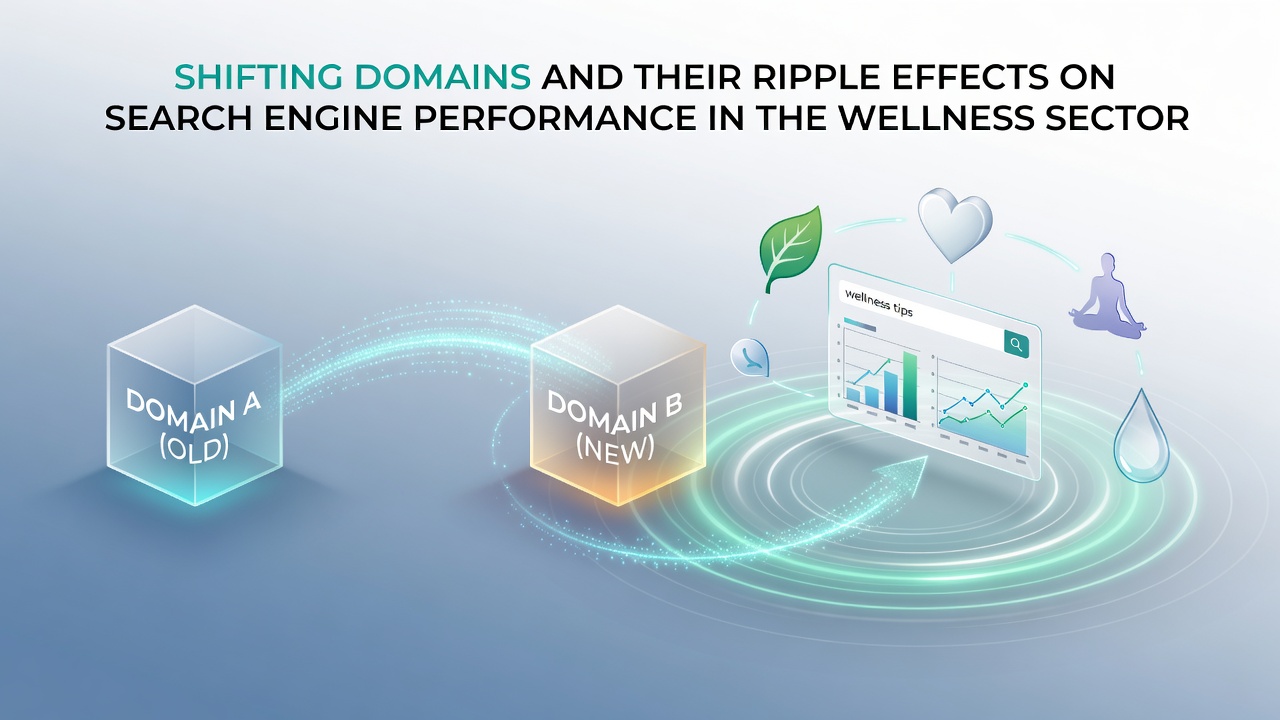
Domain changes occur when wellness brands transition from one web address to another, whether through rebranding, adopting new top-level domains, or consolidating multiple properties under a single name, and these moves trigger a series of technical and ranking adjustments that search engines must process over time. Research indicates that such shifts require careful implementation of redirects and updates to maintain visibility, especially in a sector where trust signals and content freshness play significant roles in how algorithms evaluate sites.
Mechanics of Domain Transitions in Wellness
Wellness companies often initiate domain shifts to reflect updated product lines or to align with regional regulations, and the process involves mapping old URLs to new ones while preserving historical data that engines have already indexed. Observers note that incomplete migrations lead to temporary drops in crawl frequency because bots must rediscover content across the new structure, whereas successful transitions use permanent redirects to signal continuity. Data from industry reports shows that wellness sites handling supplements and fitness programs experience these changes more frequently than other verticals due to evolving consumer trends and merger activity.
Observed Effects on Search Rankings
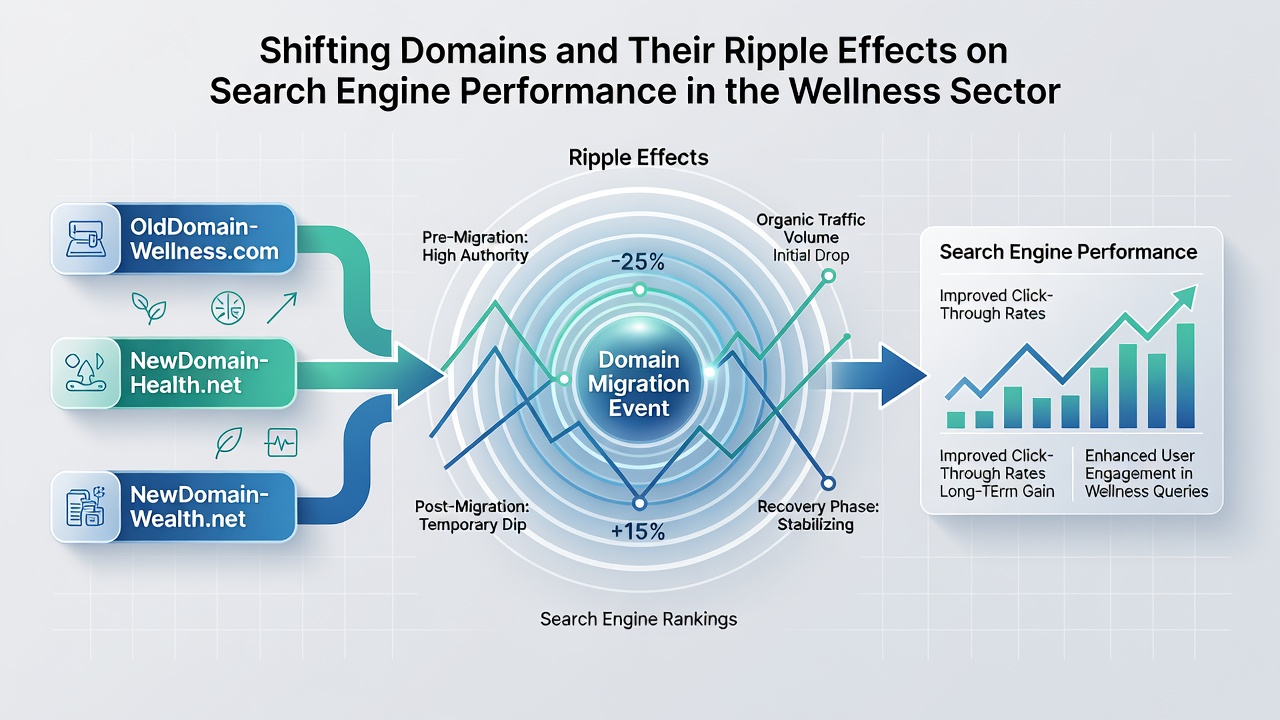
Studies have documented temporary fluctuations in organic performance following domain moves, with recovery periods ranging from several weeks to multiple months depending on the scale of the site and the quality of the migration plan. Search engines evaluate authority transfer through link equity and user behavior signals, so wellness platforms that maintain consistent backlink profiles across the shift tend to stabilize faster than those that overlook internal linking updates. Figures reveal that pages focused on holistic health topics can see reduced impressions during the transition window because engines treat the new domain as partially new until sufficient verification occurs.
Technical Factors Influencing Recovery
Proper configuration of server responses, sitemap submissions, and canonical tags helps engines connect the old and new properties, while failures in these areas extend the period of reduced performance. Researchers have found that wellness sites incorporating schema markup for health-related content recover visibility more reliably because structured data reinforces topical relevance during the reindexing phase. And when combined with consistent content updates, these elements support steadier ranking trajectories after the initial adjustment period.
Patterns Across Wellness Subsectors
Nutrition supplement retailers demonstrate distinct responses compared with yoga or meditation platforms because their product pages rely heavily on merchant listings and review signals that engines must re-associate with the new domain. Academic analyses of digital health marketing indicate that sites in fitness equipment and apparel categories often benefit from geographic targeting adjustments during a shift, particularly when expanding into new markets. Data released in September 2026 highlights increased domain activity among European wellness brands adapting to updated digital service rules, with corresponding adjustments in how regional search results display these properties.
Strategies Employed by Site Operators
Operators typically conduct pre-migration audits of indexed pages and backlink sources to identify potential loss points, then monitor crawl logs and ranking reports post-launch to address issues promptly. Evidence suggests that phased rollouts, where high-traffic sections move first, allow teams to observe engine responses before completing the full transition. Those managing wellness portals have also integrated change-of-address notifications through webmaster tools to accelerate recognition by major engines.
Conclusion
Domain shifts in the wellness sector produce measurable effects on search engine performance through changes in indexing speed, authority signals, and user engagement metrics, yet structured migration practices help limit the duration and severity of disruptions. Ongoing monitoring and adherence to established technical guidelines enable sites to regain and sustain visibility across evolving search landscapes.